

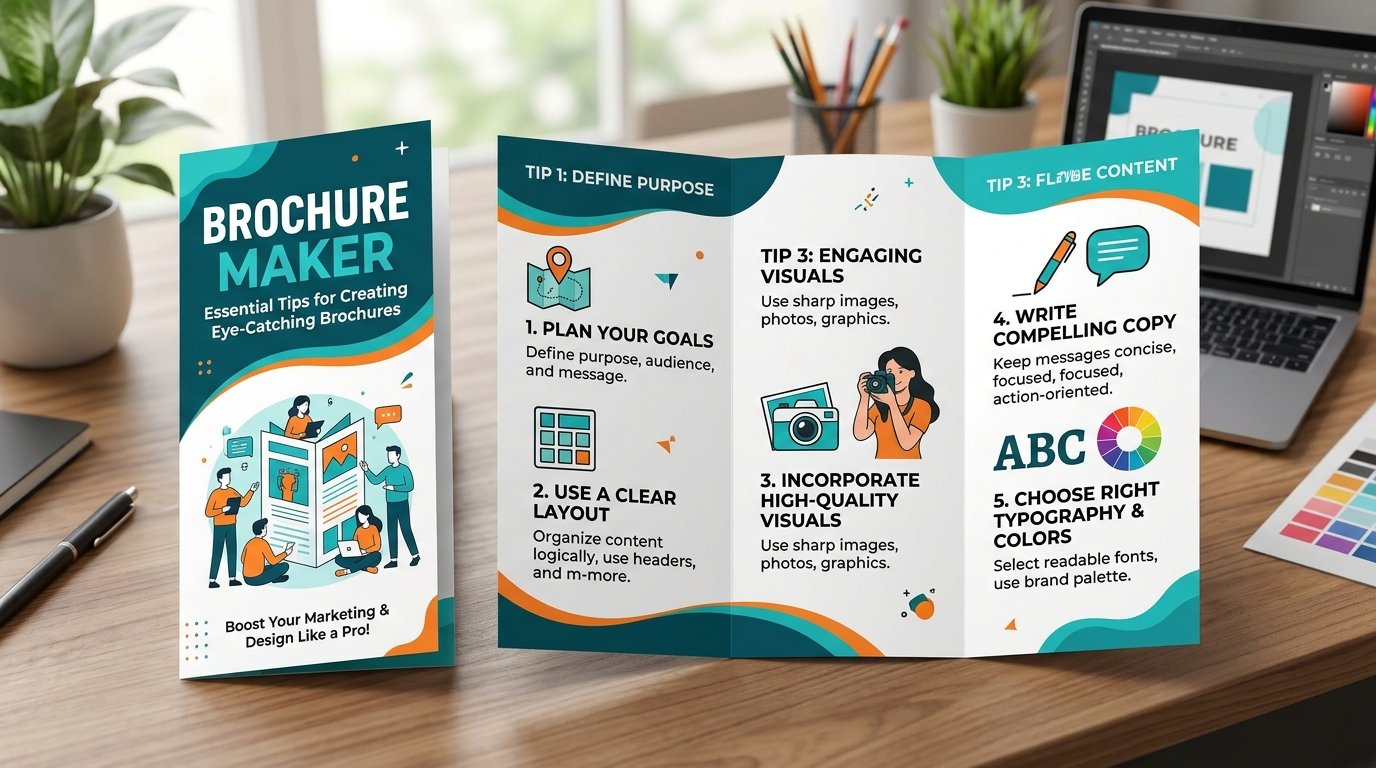
A brochure is a valuable communication tool that helps businesses introduce their services, explain products, and share important information with potential customers. When designed carefully, it combines attractive visuals with useful content to create a professional impression. Whether you are promoting a new business, advertising an event, or presenting an organization’s services, an effective brochure can help readers understand your message quickly.
Understanding the Purpose of a Brochure
A brochure is a printed or digital document that presents information in an organized and accessible format. It can contain photographs, illustrations, headings, short descriptions, and contact details. Depending on its purpose, it may be created as a folded leaflet, a single-page handout, or a multi-page publication.
Different organizations use brochures in different ways. Restaurants may showcase menus, travel agencies can highlight destinations, and educational institutions may introduce courses or admission opportunities. Service providers can explain their offerings and give potential customers a convenient way to learn more.
The first step is deciding what you want your brochure to accomplish. A clear purpose helps you select the right information and avoid unnecessary details.
Plan Your Content Carefully
Good content makes a brochure informative and easy to follow. Before beginning the design, identify your target audience and consider what readers need to know. A brochure for a local bakery will require different information from one promoting a professional consulting service.
Start with a clear headline that introduces the main subject. Follow it with a short introduction, important features, and the benefits readers can expect. Organize the remaining information into logical sections so people can find answers without reading every sentence.
Use straightforward language and keep paragraphs concise. Bullet points can highlight key features, while headings help separate different topics. Avoid repeating information because unnecessary wording can make the brochure feel crowded.
Choose Colors and Images That Attract Attention
Visual design plays an important role in making promotional materials appealing. Choose colors that reflect your brand and complement one another. Using a limited palette creates consistency and prevents the layout from becoming distracting.
Select fonts that are easy to read in both printed and digital formats. Headings should stand out, while ordinary text should remain comfortable to read. Avoid combining too many font styles in a single document.
Images should relate directly to your subject. A real estate business might feature attractive property photographs, while a fitness studio could display its facilities and activities. Use clear, high-quality images and ensure that you have permission to use them.
Leave enough empty space around text and images. This helps readers distinguish sections and gives the design a clean, balanced appearance.
Make the Design Process Easier
A brochure maker allows users to create promotional materials with customizable templates and simple editing tools. Many platforms provide options for changing colors, adding photographs, adjusting typography, and arranging content without requiring advanced graphic design skills.
Choose a template that matches your purpose and audience. Replace the sample text with accurate information, customize the visual elements, and ensure the layout represents your organization. Review the finished design carefully instead of assuming that a ready-made template is automatically suitable.
Before selecting a design platform, consider its available features, export formats, printing options, and ease of use. The right tools can help you work efficiently while maintaining a consistent visual identity.
Include Essential Business Details
An effective brochure should answer the most important questions readers may have. Include your business name, a brief introduction, relevant product or service information, and accurate contact details.
Depending on the subject, you may also include prices, opening hours, event dates, service locations, or instructions. Add a clear call to action that tells readers what to do next, such as visiting your website, requesting a quotation, or making an appointment.
Keep important information easy to locate. Readers should not have to search through decorative elements or lengthy paragraphs to find your contact details.
Review Before Printing or Sharing
Proofreading is essential before publishing a brochure. Check spelling, grammar, punctuation, dates, prices, and contact information. Ensure that images appear clearly and that the text is not positioned too close to page edges or folding lines.
For printed materials, confirm the paper size and folding arrangement. For digital distribution, save the document in a suitable format such as PDF and test any links before sharing it.
Conclusion
Creating an effective brochure requires thoughtful planning, readable content, and attractive visual design. By understanding your audience, organizing essential information, and checking the final layout, you can produce promotional materials that communicate clearly and professionally. A well-prepared brochure can strengthen brand recognition, support marketing campaigns, and help potential customers make informed decisions.
